
International Freight Forwarder
Understanding the Role of an International Freight Forwarder
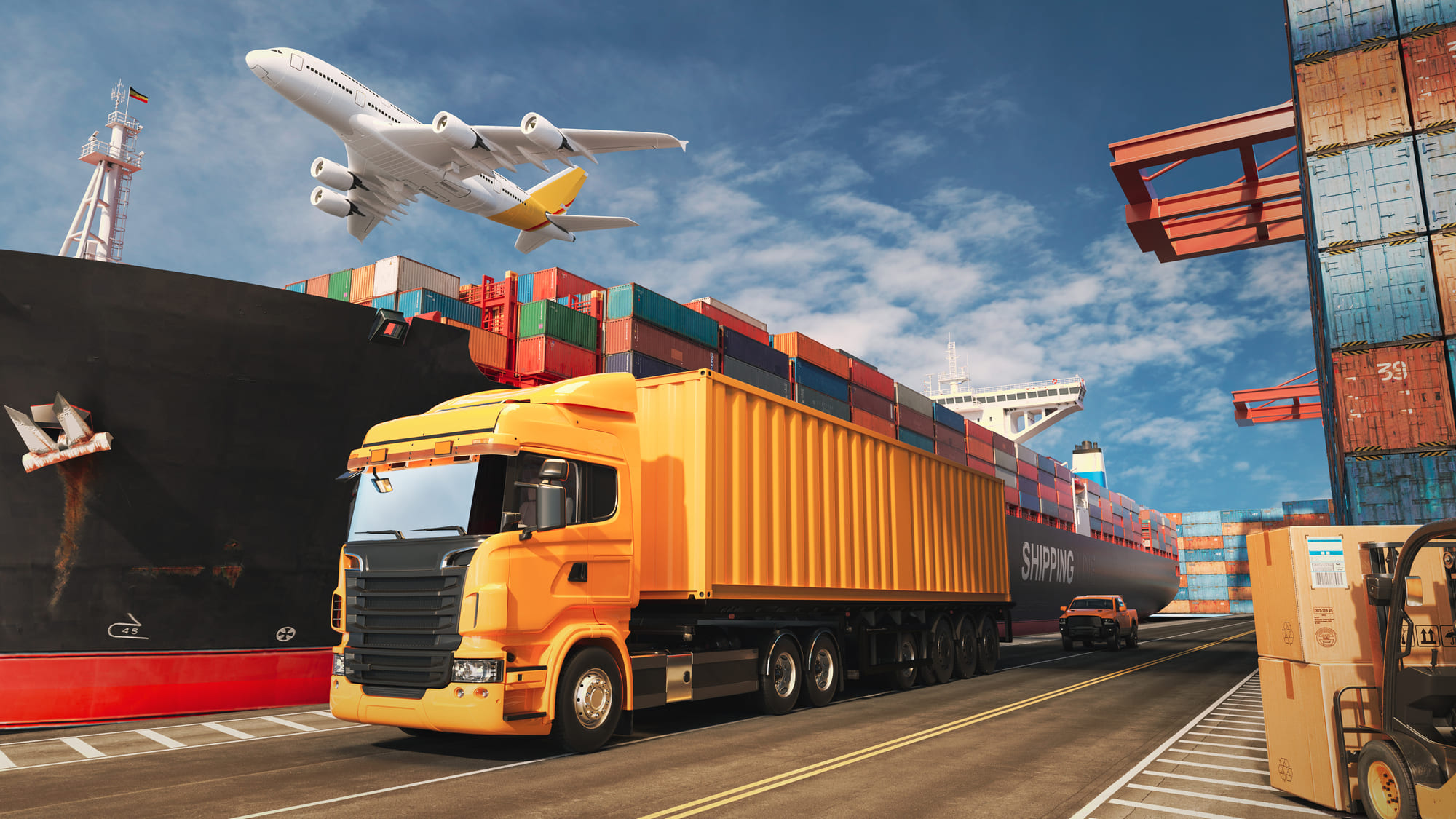
The international freight forwarding industry is constantly evolving, driven by technological advancements, market dynamics, and global trends. In this article, we will explore some of the key trends and innovations shaping the future of the international freight forwarding sector.
International trade involves the movement of goods across borders, and a crucial player in this process is the international freight forwarder. These professionals play a pivotal role in facilitating the smooth transportation of goods from one country to another. In this article, we will delve into the responsibilities and importance of international freight forwarders.
An international freight forwarder is a logistics specialist who acts as an intermediary between shippers and various transportation services. Their primary goal is to streamline the shipping process and ensure that goods reach their destination in a timely and cost-effective manner. Freight forwarders are well-versed in the complexities of international shipping regulations, documentation, and customs procedures.
One of the key responsibilities of an international freight forwarder is to arrange the transportation of goods via various modes, including air, sea, and land. They negotiate with carriers, book cargo space, and coordinate the movement of goods from the point of origin to the final destination. Additionally, freight forwarders handle the necessary documentation, such as customs forms and export/import permits, to ensure compliance with international regulations.
In essence, international freight forwarders serve as the orchestrators of the supply chain, managing the entire logistics process from start to finish. Their expertise is invaluable for businesses engaged in international trade, as they navigate the complexities of cross-border shipping, helping to avoid delays and reduce costs.
International freight forwarders play a crucial role in the global economy by facilitating the efficient and secure movement of goods across borders. Businesses looking to engage in international trade can benefit significantly from partnering with experienced freight forwarders who can navigate the complexities of logistics, ensuring a seamless and cost-effective shipping process.
The Benefits of Hiring an International Freight Forwarder for Your Business
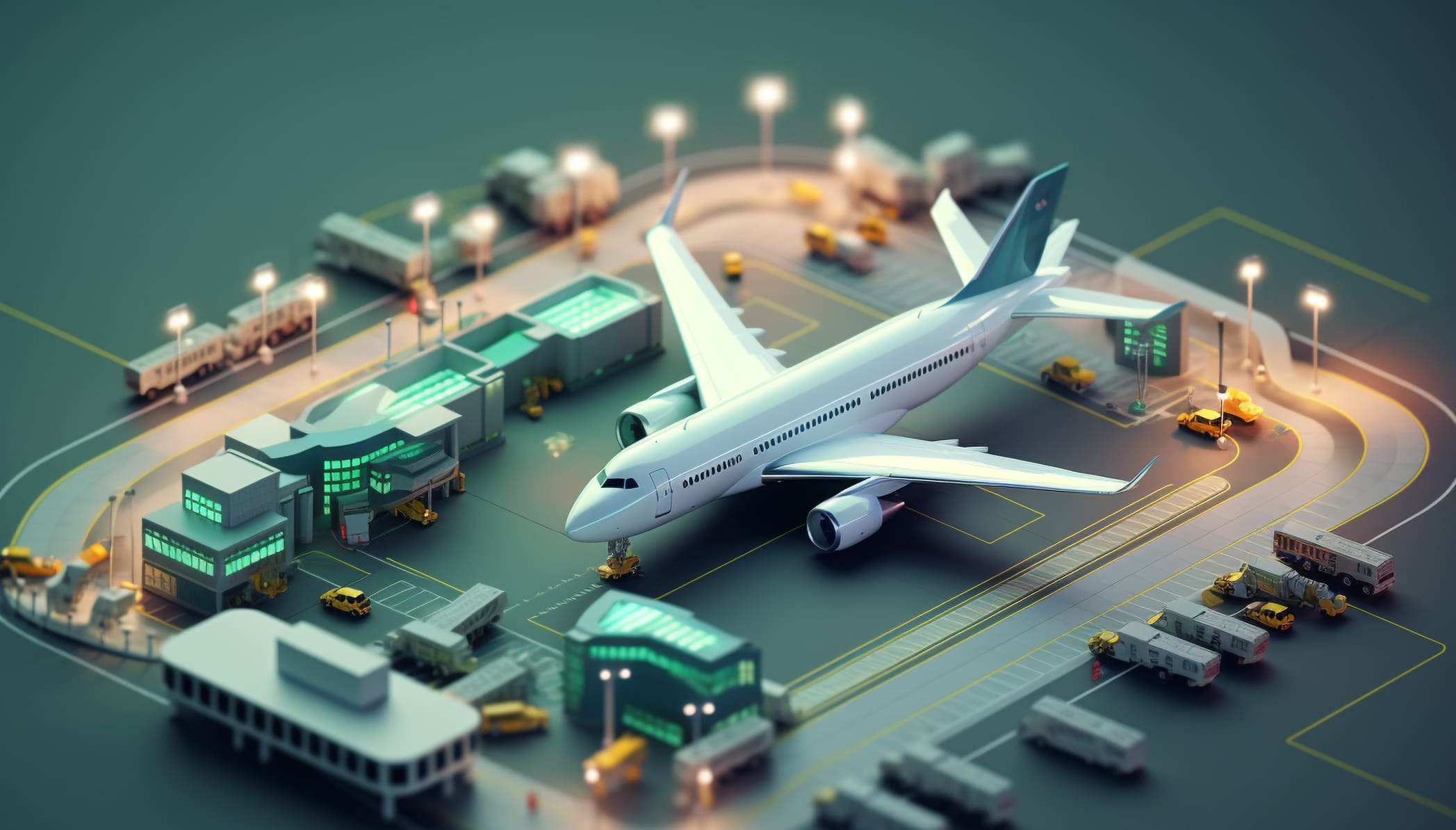
In the ever-expanding world of international trade, businesses are constantly seeking ways to streamline their supply chain processes. One effective solution is to enlist the services of an international freight forwarder. In this article, we will explore the various benefits that businesses can enjoy by partnering with these logistics experts.
First and foremost, hiring an international freight forwarder can significantly simplify the shipping process. These professionals have extensive knowledge of shipping regulations, customs procedures, and documentation requirements, saving businesses valuable time and resources. By entrusting the logistics to a freight forwarder, companies can focus on their core competencies, leaving the complexities of international shipping in capable hands.
Another key advantage of working with a freight forwarder is access to a global network of carriers and transportation services. Freight forwarders have established relationships with airlines, shipping lines, and trucking companies, allowing them to negotiate favorable rates and secure efficient transportation solutions. This network provides businesses with flexibility and options, ensuring that goods are transported via the most cost-effective and timely routes.
The demand for sustainability is also influencing the international freight forwarding landscape. With a growing emphasis on environmentally friendly practices, freight forwarders are exploring ways to reduce carbon footprints. This includes optimizing transportation routes, adopting eco-friendly packaging, and exploring alternative energy sources for transportation.
Collaboration and partnerships are becoming more prevalent in the industry. Freight forwarders are forming strategic alliances with carriers, technology providers, and other stakeholders to create integrated and seamless supply chain solutions. These collaborations enhance the overall efficiency of the logistics process, providing businesses with end-to-end solutions for their international shipping needs.
Cost efficiency is a major consideration for businesses engaged in international trade, and freight forwarders can help optimize shipping costs. Through their expertise in route planning, cargo consolidation, and carrier negotiations, freight forwarders can identify cost-saving opportunities, ultimately contributing to the bottom line of businesses.
The benefits of hiring an international freight forwarder extend beyond simplifying logistics. These professionals bring a wealth of knowledge, a global network of resources, and cost-saving strategies to the table. Businesses looking to navigate the complexities of international shipping should consider the advantages of partnering with a reputable and experienced freight forwarder.
Navigating Customs and Regulatory Compliance with an International Freight Forwarder
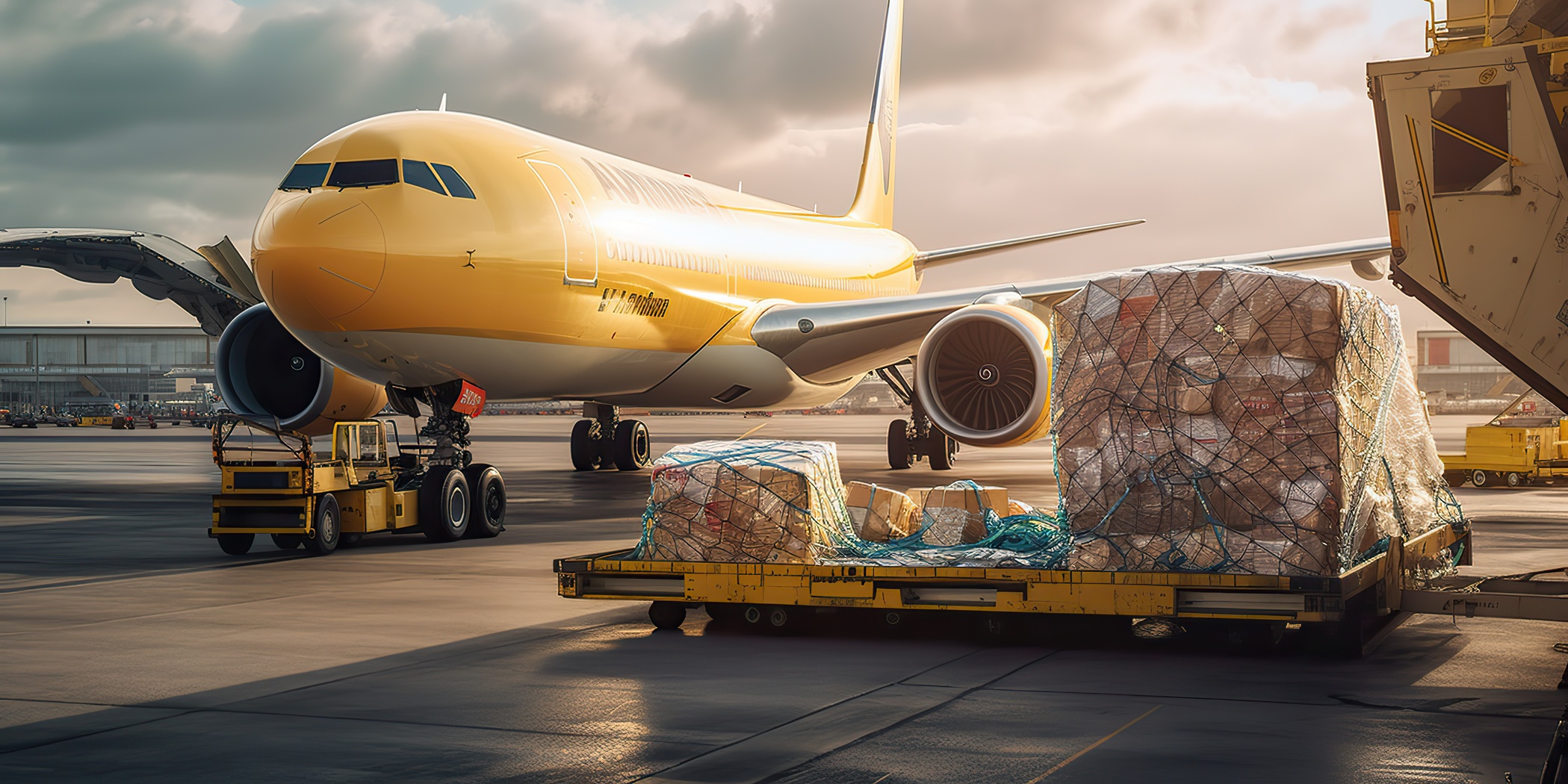
The international freight forwarding industry is experiencing significant transformations driven by technological innovations, sustainability concerns, and collaborative efforts. Businesses that stay abreast of these trends and embrace the latest technologies will be well-positioned to navigate the evolving landscape of international trade and logistics.
One of the most intricate aspects of international trade is navigating customs and regulatory compliance. For businesses involved in cross-border transactions, partnering with an international freight forwarder becomes essential in ensuring a smooth and compliant shipping process. In this article, we will explore how freight forwarders play a crucial role in navigating the complexities of customs and regulatory requirements.
Customs procedures vary from country to country, and compliance is paramount to avoiding delays and penalties. International freight forwarders are well-versed in the intricacies of customs regulations and documentation. They work closely with customs authorities to ensure that all required paperwork, including import/export permits, certificates of origin, and customs declarations, is accurately prepared and submitted.
Freight forwarders also assist in classifying goods according to the Harmonized System (HS) codes, a standardized system for classifying products in international trade. Proper classification is crucial for determining duties, taxes, and ensuring adherence to import/export restrictions.
In addition to customs clearance, international freight forwarders navigate other regulatory requirements, such as packaging and labeling standards. They ensure that shipments comply with the specific regulations of the destination country, reducing the risk of rejection or additional inspections.
By entrusting customs and regulatory compliance to a freight forwarder, businesses can mitigate the risks associated with international shipping. Freight forwarders not only possess the necessary expertise but also stay abreast of changes in regulations, ensuring that shipments remain in compliance with evolving international trade laws.
The partnership with an international freight forwarder goes beyond transportation logistics. These professionals play a pivotal role in navigating the complexities of customs and regulatory compliance, ensuring that goods move seamlessly across borders while adhering to the laws and regulations of each country involved in the transaction.
Recent Posts
Copyright © 2023 - Corporateblogging.info